
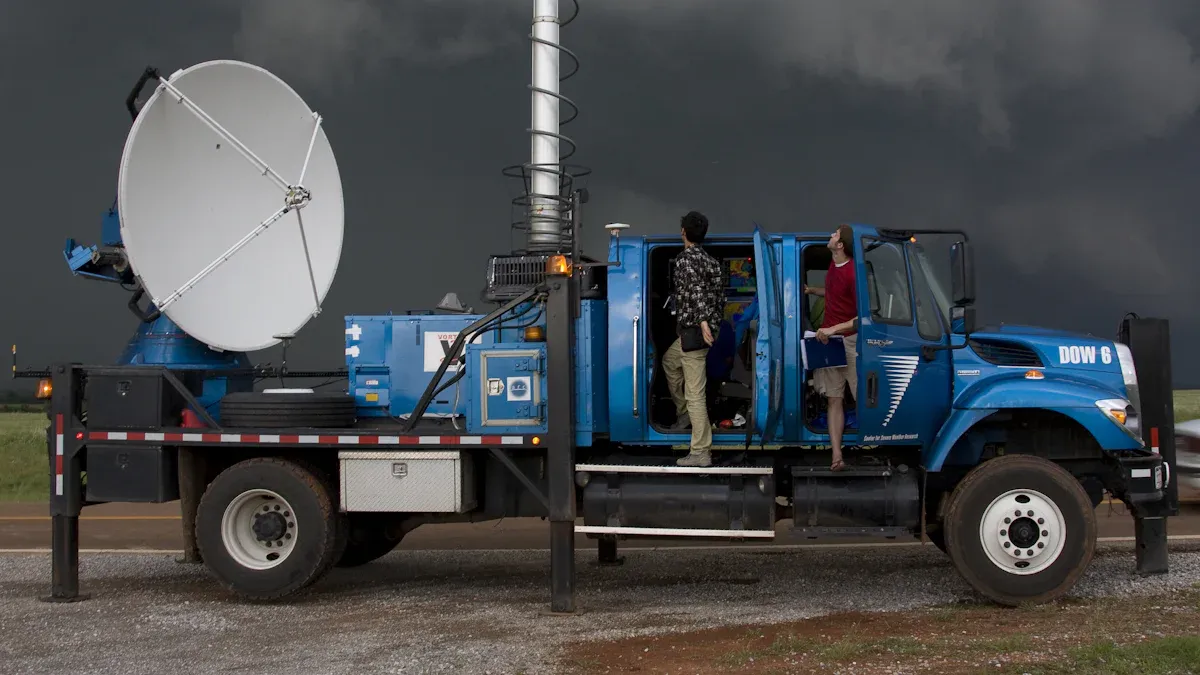
Ang mga industriyal nga telepono nga dili madaot sa panahon adunay mga importanteng bahin nga naggarantiya sa kasaligang performance sa lisod nga mga palibot.mga heavy duty nga industriyal nga teleponogidisenyo aron makasukol sa kalawang, makasugakod sa mga epekto, ug mapadayon ang integridad sa komunikasyon. Pinaagi sa paggamit sa mga dekalidad nga materyales ug mga abanteng teknolohiya, ilang gipalambo ang kaluwasan sa tiggamit ug gisiguro ang epektibo nga mga sistema sa komunikasyon sa tingog sa emerhensya sa mga kritikal nga sitwasyon. Dugang pa, angdili masudlan og tubig nga dili masudlan og abog nga industriyal nga teleponoAng mga modelo naghatag og dugang proteksyon, samtang ang mga industrial phone nga dili madaot sa mga vandal nagtanyag og kalig-on batok sa tinuyo nga kadaot, nga naghimo niini nga sulundon alang sa lainlaing mga aplikasyon sa industriya.
Mga Pangunang Punto
- Mga teleponong pang-industriya nga dili madaot sa panahongitukod aron makasugakod sa lisod nga mga kondisyon, nga nagsiguro sa kasaligang komunikasyon bisan sa grabeng mga palibot.
- Ang mga nag-unang bahin sama sa teknolohiya sa pagkansela sa kasaba ug mapasibo nga volume nagpalambo sa katin-aw sa audio, nga naghimo sa mga panag-istoryahanay nga klaro bisan sa mga saba nga palibot.
- Pagpamuhunan salig-on nga mga teleponong pang-industriyamakapakunhod sa dugay nga gasto tungod sa ilang kalig-on ug mas ubos nga panginahanglan sa pagmentinar.
Lig-on nga Kalig-on
Pagsukol sa Epekto ug mga Bandal
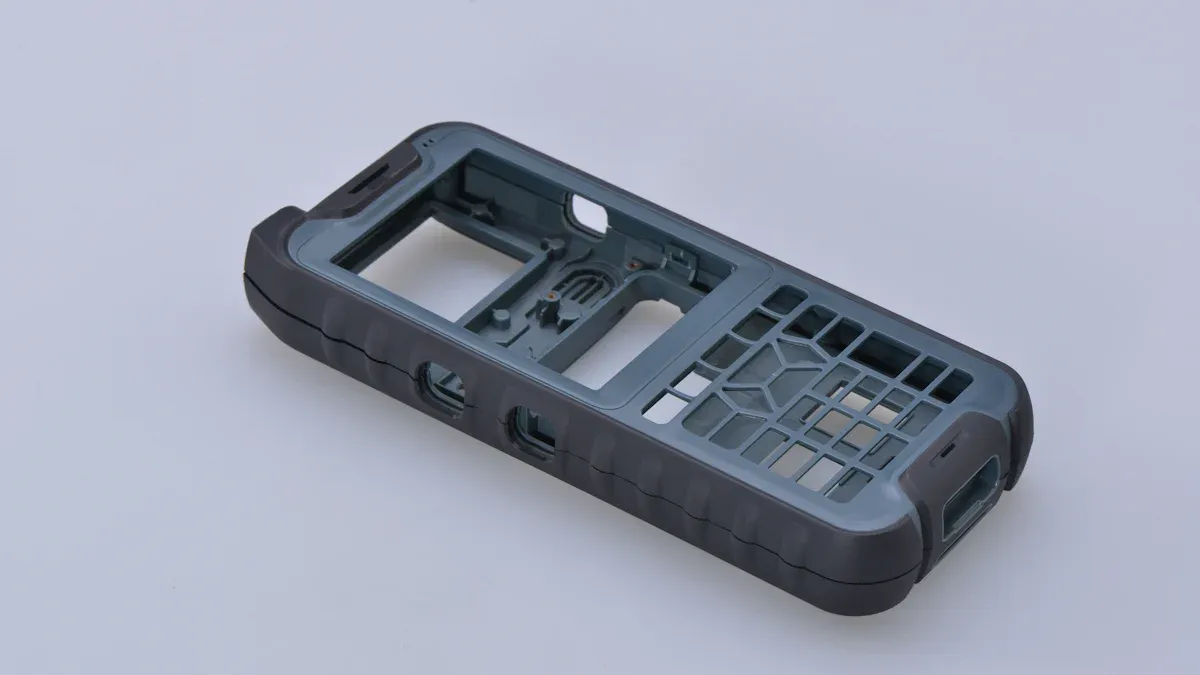
Ang mga teleponong pang-industriya nga gidisenyo alang sa malisod nga mga palibot kinahanglan nga makasugakod sa pisikal nga kadaot ug bandalismo. Ang mga tiggama kanunay nga naghimo niini nga mga telepono aron matuman ang estrikto nga mga sumbanan sa militar ug industriya, sama sa MIL-STD-810G, nga nagsulay sa kalig-on batok sa mga kakurat, pagkahulog, ug grabe nga mga kondisyon. Ang mga telepono nga giklasipikar nga intrinsically safe o explosion-proof nagtanyag dugang nga proteksyon. Pananglitan:
| Bahin | Mga Telepono nga Luwas sa Kaugalingon | Mga Telepono nga Dili Masunog sa Pagbuto |
|---|---|---|
| Mekanismo sa Proteksyon | Naglimite sa output sa enerhiya | Adunay pagbuto sulod sa pabahay |
| Labing Maayo Para sa | Sona 0, Sona 1 (taas nga risgo) | Sona 1, Sona 2 (kasarangan nga risgo) |
| Kalig-on | Standard nga lig-on | Bug-at nga trabaho |
Kini nga mga klasipikasyon nagsiguro nga ang telepono makasugakod sa mga impact ug makapugong sa mga peligro sa dali nga pagkausab-usab sa palibot.Pagsukol sa mga bandalismosagad naglambigit sa gipalig-on nga mga housing ug mga sangkap nga dili madaot, nga makatabang sa pagpadayon sa integridad sa komunikasyon bisan pa sa tinuyo nga pag-abuso.
Mga Materyales nga Taas ang Kalidad
Ang pagpili sa mga materyales adunay hinungdanong papel sa kalig-on sa mga teleponong industriyal nga dili madaot sa panahon. Ang mga tiggama naggamit ug mga metal ug mga haluang metal nga naghiusa sa kusog, resistensya sa kaagnasan, ug taas nga kinabuhi. Ang mosunod nga talaan nagsumaryo sa komon nga mga materyales ug sa ilang mga kabtangan:
| Matang sa Materyal | Mga Kabtangan |
|---|---|
| Metal nga taas og kusog | Makasugakod sa mga epekto sa gawas ug sa grabe nga mga kondisyon sa panahon. |
| Dili kinakalawang nga asero | Naghatag og kalig-on ug resistensya sa mga stressor sa palibot. |
| Aluminum nga haluang metal | Nagtanyag og gaan apan lig-on nga kabhang para sa mga telepono nga dili madaot sa panahon. |
| Die-cast nga aluminyo | Malungtaron ug makasugakod sa malisod nga mga kondisyon, nga makapugong sa kadaot. |
Kini nga mga materyales kasagaran molungtad og sobra sa 10 ka tuig nga adunay gamay nga maintenance, bisan sa mahagiton nga mga palibot. Ang stainless steel ug die-cast aluminum talagsaon tungod sa ilang abilidad sa pagsukol sa kalawang ug bandalismo, nga naghimo kanila nga sulundon alang sa mga industriyal nga palibot. Ang kombinasyon sa lig-on nga mga materyales ug estrikto nga pagsulay nagsiguro nga kini nga mga telepono naghatag kasaligan nga performance ug nanalipod sa mga tiggamit sa mga kritikal nga sitwasyon.
Panalipod sa Kalikopan
IP Rating ug Pagsilyo
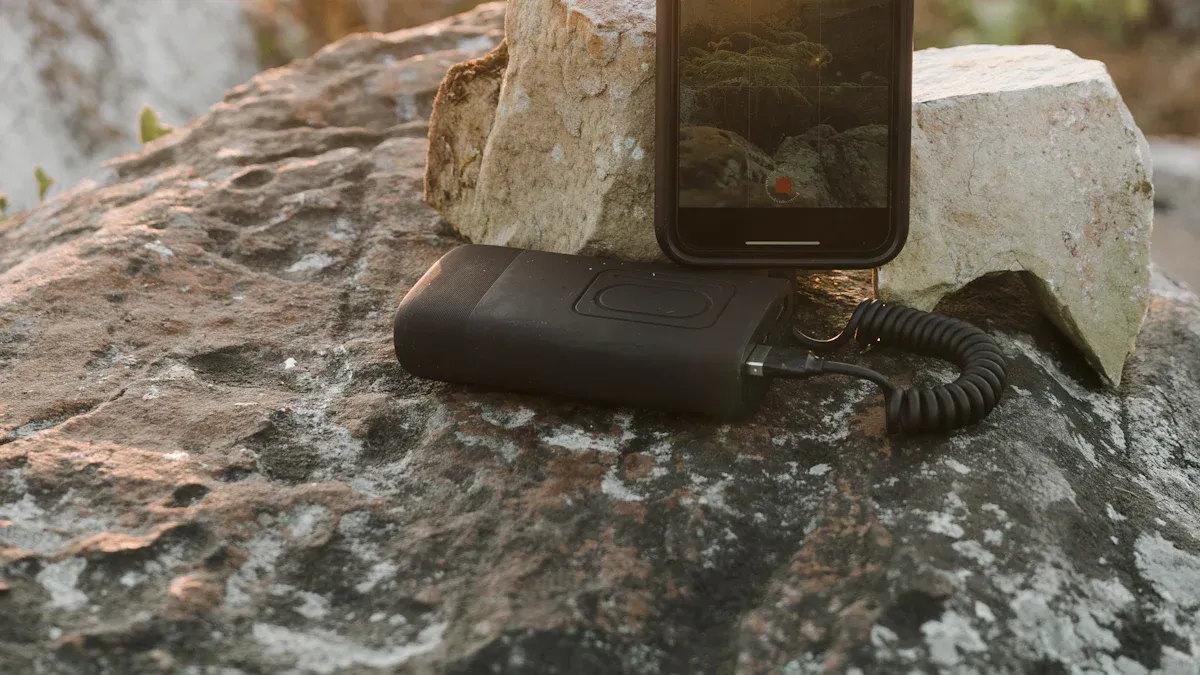
Ang IP (Ingress Protection) rating nagsilbing usa ka kritikal nga sukdanan sa abilidad sa usa ka industriyal nga telepono nga makasugakod sa mga peligro sa kalikopan. Para sa mga industriyal nga telepono sa gawas, labing menosRating sa IP of IP65hinungdanon. Kini nga rating nagpakita nga ang aparato dili masudlan og abog ug makasugakod sa mga water jet gikan sa bisan unsang direksyon. Ang mas taas nga IP ratings naghatag og mas dako nga proteksyon batok sa abog ug tubig, nga nagsiguro sa kasaligan nga komunikasyon sa grabe nga mga kondisyon sa panahon.
Ang mga nag-unang peligro sa kalikopan nga kinahanglan maagwanta sa mga teleponong industriyal nga dili madaot sa panahon naglakip sa:
- Lisod nga mga palibot
- kaumog
- Abog
- Grabe nga temperatura
- Mga elemento nga makadaot
Ang mga mekanismo sa pagsilyo adunay hinungdanong papel sa pagkab-ot niini nga mga rating. Ang mga tiggama kanunay nga mogamit og mga gasket ug mga seal nga hinimo gikan sa lig-on nga mga materyales aron malikayan ang pagsulod sa kaumog ug abog. Kini nga mga sangkap nagsiguro nga ang internal nga mga elektroniko magpabilin nga protektado, sa ingon nagpalambo sa kalig-on ug kasaligan sa aparato.
Mga Bentilasyon sa Pagpares sa Presyon
Ang mga bentilasyon sa pagpapantay sa presyur usa pa ka importanteng bahin nga nakatampo sa kalig-on sa mga industriyal nga telepono sa lisod nga mga palibot. Kini nga mga bentilasyon nagtugot sa dali nga pagpapantay sa presyur, nga nagpamenos sa mga kalainan sa presyur nga mahimong mahitabo tungod sa pag-usab-usab sa temperatura.
Ang mga benepisyo sa mga pressure equalization vent naglakip sa:
- Paglikay sa pagkahuyang sa mga gasket ug mga seal
- Pagmentinar sa integridad sa aparato
- Pagpalambo sa taas nga kinabuhi sa mahagiton nga mga kondisyon
Pinaagi sa pagminus sa mga kalainan sa presyur, kini nga mga bentilasyon makatabang sa pagsiguro nga ang mga internal nga sangkap magpabilin nga wala’y depekto ug magamit, bisan kung naladlad sa grabe nga mga kondisyon sa palibot. Kini nga bahin labi ka hinungdanon alang sa mga aparato nga naglihok sa mga lugar nga adunay hinungdanon nga mga pagbag-o sa temperatura, tungod kay makatabang kini aron malikayan ang kadaot nga mahimong makadaot sa mga kapabilidad sa komunikasyon.
Labaw nga Klaro sa Audio
Teknolohiya sa Pagkansela sa Saba
Ang teknolohiya sa pagkansela sa kasaba adunay hinungdanon nga papel sa pagsiguroklaro nga komunikasyonsa mga palibot sa industriya. Kini nga mga telepono epektibong nagpamenos sa kasaba sa background, labi na sa mga lugar diin ang lebel sa kasaba molapas sa 90 dB. Ang mga abante nga teknolohiya sa pagproseso sa audio, sama sa dinamikong pagpugong sa kasaba, nagpalambo sa pagkasabut sa pagsulti. Ang mga nag-unang bahin sa teknolohiya sa pagkansela sa kasaba naglakip sa:
- Ang mga high-power nga speaker ug mga noise-canceling nga mikropono nagsala sa dili gusto nga mga tunog.
- Kini nga mga aparato nagpokus sa tingog sa mamumulong, nga nagsiguro sa mas klaro nga mga panag-istoryahanay.
- Kini nga teknolohiya importante alang sa pagmintinar sa kaluwasan ug kaepektibo sa mga saba nga palibot.
Ang mosunod nga talaan nagsumaryo sa lain-laing mga teknolohiya nga nakatampo sa labaw nga katin-aw sa audio sa mga industriyal nga telepono:
| Teknolohiya | Deskripsyon |
|---|---|
| Mga Mikropono nga Nagporma og Beam | Pauswaga ang audio gikan sa piho nga mga direksyon, nga makunhuran ang kasaba sa palibot para sa mas klaro nga mga panag-istoryahanay. |
| Pagkansela sa Kasaba ug Pagproseso sa AI Audio | Gitangtang ang dili gusto nga mga tunog, nga nagmugna og mas immersive nga kasinatian sa miting. |
| Pagkansela sa Acoustic Echo (AEC) | Mapugngan ang mga feedback loop pinaagi sa pagsiguro nga ang tingog gikan sa mga speaker dili madungog sa mga mikropono. |
| DSP (Pagproseso sa Digital nga Signal) | Dinamikong mo-adjust sa lebel sa audio para sa balanseng tunog ug mas maayong katin-aw sa tingog. |
| Bug-os nga Duplex nga Audio | Nagtugot sa natural nga duha ka direksyon nga panag-istoryahanay nga walay pagkabalda, dili sama sa tradisyonal nga mga speakerphone. |
Ma-adjust nga Volume ug Hands-Free nga mga Opsyon
Ang mga feature sa adjustable volume sa mga industrial nga telepono nagsiguro nga ang mga tiggamit makadungog sa mga importanteng mensahe nga klaro, bisan sa saba nga palibot. Ang aberids nga decibel range alang niini nga mga feature kasagaran anaa sa taliwala sa 75 dB ug 95 dB. Kini nga range nagsuporta sa epektibo nga komunikasyon, nga nagtugot sa mga tiggamit sa pag-adjust sa volume sumala sa ilang palibot. Ang mosunod nga talaan nagpakita sa mga kapabilidad sa adjustable volume sa lain-laing mga modelo sa industrial nga telepono:
| Ngalan sa Produkto | Ma-adjust nga Sakop sa Desibel sa Volume |
|---|---|
| Telepono sa Desk nga adunay Built-In nga Ringer | Hangtod sa 80 dB SPL @ 1m |
| Telepono nga Gipakusog sa Pagsulti sa HD-40S | Hangtod sa 95 dB |
| AudioLarm II | 75-85 dB |
Ang mga hands-free nga opsyon dugang nga nagpalambo sa gamit, nga nagtugot sa mga trabahante sa pagpakigsulti samtang naghimo sa mga buluhaton. Kini nga bahin labi ka mapuslanon sa mga palibot diin gikinahanglan ang mano-manong operasyon. Sa kinatibuk-an,labaw nga katin-aw sa audionagsiguro nga ang mga industriyal nga telepono magpadayon sa epektibo nga komunikasyon, nga hinungdanon alang sa kaluwasan ug kaepektibo sa operasyon.
Koneksyon ug Sistema sa Komunikasyon sa Tingog sa Emerhensya
Mga Opsyon nga May Kable ug Wireless
Ang mga industriyal nga telepono nga gidisenyo alang sa lisod nga mga palibot nagtanyag sa duhamga kapilian sa koneksyon nga wired ug wirelessAng mga wired system naghatag og taas nga kalig-on ug makanunayon nga performance, nga naghimo kanila nga gipalabi nga kapilian alang sa pangunang komunikasyon. Mas maayo kini nga mosukol sa electromagnetic interference (EMI) kaysa mga wireless system, nga makatabang sa pagmintinar sa klaro ug kasaligan nga mga koneksyon sa mga industriyal nga palibot nga saba sa kuryente.
Ang mga wireless system magsilbing bililhong backup kung ang mga wired connection mapakyas o dili praktikal. Bisan kung ang mga wireless nga telepono nag-atubang og mas daghang hagit sa EMI, ang hustong pagdumala makapauswag sa ilang kasaligan. Ang mga wireless nga kapilian nagtanyag usab og pagka-flexible sa pag-instalar ug paglihok, nga napamatud-an nga mapuslanon sa temporaryo nga mga setup o mga lugar diin lisud ang mga wiring.
Ang mosunod nga talaan nagpasiugda sa mga nag-unang kalainan tali sa wired ug wireless nga mga sistema sa telepono sa industriya:
| Aspeto | Mga Sistema nga May Kable | Mga Sistema sa Wireless |
|---|---|---|
| Kalig-on | Taas nga kalig-on ug performance | Dili kaayo lig-on, gigamit isip backup |
| Panghilabot sa Elektromagnetiko | Mas makasugakod sa EMI | Dali ra maapektuhan sa EMI, apan mahimong molambo uban sa pagdumala |
| Pagsukol sa Sayop | Mas ubos nga posibilidad sa pagkahitabo sa sayop | Mas makasugakod sa mga sayop apan dili makasugakod sa kapakyasan |
| Kaso sa Paggamit | Pangunang pamaagi sa komunikasyon | Temporaryong backup para sa mga kapakyasan |
Ang pagpili sa husto nga koneksyon nagdepende sa palibot ug mga panginahanglanon sa operasyon. Ang mga wired system maayo kaayo sa kasaligan ug padayon nga operasyon. Ang mga wireless system nagdugang og redundancy ug flexibility, nga nagsiguro nga ang komunikasyon magpabilin nga walay hunong panahon sa mga emerhensya o mga isyu sa imprastraktura.
Mga Feature sa Awtomatikong Pag-dial ug Emerhensya
Mga sistema sa komunikasyon sa tingog sa emerhensyakinahanglan nga magkonektar sa mga tiggamit aron makatabang dayon ug episyente. Ang mga modernong industriyal nga telepono naglakip sa mga function sa auto-dial nga diha-diha dayon motawag sa pre-programmed nga mga numero sa emerhensya pinaagi sa usa ka pagpindot sa buton. Kini nga bahin nagwagtang sa mga paglangan nga gipahinabo sa manual nga pag-dial ug nagpamenos sa sayop sa tawo sa mga kritikal nga gutlo.
Kini nga mga sistema nagsuporta usab sa mga automated alert nga nagpahibalo sa daghang mga response team sa samang higayon. Pinaagi sa pagkonektar sa pag-ila sa hulga direkta sa pag-aktibo sa emergency response, ilang gipamub-an ang oras tali sa pag-ila sa insidente ug koordinado nga aksyon. Kini nga paspas nga koneksyon napamatud-an nga hinungdanon tungod kay ang unang pipila ka minuto sa usa ka emerhensya kanunay nga nagtino sa resulta.
Ang mga real-time nga notipikasyon nagpahibalo sa mga tiggamit ug nag-andam sa paglihok. Ang mga pagkalangan sa komunikasyon mahimong hinungdan sa kalibog ug kalisang, nga mograbe sa mga delikado nga sitwasyon. Ang mga industriyal nga telepono nga adunay integrated emergency voice communication system nagsiguro nga ang tukma sa panahon ug tukma nga impormasyon makaabot sa tanang partido nga nalambigit.
Ang dugang nga mga bahin sa emerhensya naglakip sa:
- Hands-free nga operasyon para sa dali nga pagtubag nga dili na kinahanglan nga kuptan ang handset
- Mga alarma nga biswal ug madungog aron makadani sa atensyon sa mga palibot nga saba o dili kaayo makita
- Kusog nga backup nga kuryente aron mapadayon ang operasyon panahon sa pagkawala sa kuryente
Kon magdungan, kining mga kapabilidad makapalambo sa kaluwasan ug kaepektibo sa operasyon sa lisod nga mga palibot sa industriya. Gigarantiya niini nga ang mga personahe makakomunikar sa klaro ug paspas nga paagi kon adunay mga emerhensya.
Disenyo nga Mahigalaon sa Gumagamit
Yano nga Interface ug mga Kontrol
A sayon gamiton nga interfacenagpalambo sa kasayon sa paggamit sa mga weatherproof industrial telephones. Kini nga mga device kasagaran adunay makanunayon nga mga function sa keypad, sama sa paggamit sa '#' para sa undo ug '*' para sa pag-usab. Kini nga disenyo makapakunhod sa kalibog ug makapalambo sa kontrol sa tiggamit. Ang diha-diha nga mga pagpili sa menu nagdugang sa kahusayan para sa mga eksperyensiyadong tiggamit, samtang ang klaro nga feedback sa mga aksyon sa tiggamit nagpamatuod sa mga pagpili ug nagpamenos sa mga sayop.
Ang mosunod nga talaan naglatid sa mga komon nga bahin sa interface nga nagpauswag sa paggamit:
| Deskripsyon sa Kinaiya | Kaayohan sa Paggamit |
|---|---|
| Kanunay nga mga gimbuhaton sa keypad | Makapakunhod sa kalibog ug makapauswag sa kontrol sa tiggamit |
| Mga pagpili dayon sa menu | Nagdugang sa kahusayan alang sa mga eksperyensiyadong tiggamit |
| Klaro nga feedback sa mga aksyon sa tiggamit | Nagkumpirma sa mga pagpili ug nagpamenos sa mga sayop |
| Abilidad sa pag-undo sa mga pinili | Makapugong sa kasagmuyo gikan sa sayop nga mga pagpili |
| Mga opsyon sa menu nga nagsugod sa kanunay nga gipili | Nagpalambo sa katulin sa nabigasyon para sa mga tiggamit |
| Talagsaong pinulongan alang sa matag kapilian | Nagpalambo sa katin-awan ug nagpamenos sa cognitive load |
| Mubo nga sulod | Gipamenos ang mga impormasyon nga walay kalabotan ug gipadali ang pagkompleto sa buluhaton |
| Regular nga mga update sa status samtang gihulat | Nagpalambo sa kasinatian sa tiggamit pinaagi sa pagdumala sa mga gilauman |
Kini nga mga bahin nagsiguro nga ang mga tiggamit makagamit sa mga telepono nga epektibo, bisan sa mga sitwasyon nga taas ang presyur.
Mga Opsyon sa Pag-mount nga Daghan og Gamit
Ang mga weatherproof industrial telephone nagtanyag og daghang gamit nga mga opsyon sa pag-mount aron mohaom sa lain-laing mga palibot. Kanunay nga mangayo ang mga kliyente og mga solusyon nga gi-mount sa dingding ug poste. Kini nga mga opsyon naghatag og kalaya sa pag-install, nga nagtugot sa mga tiggamit sa pagbutang sa mga telepono sa labing maayong mga lokasyon para sa accessibility ug visibility.
Ang mosunod nga talaan nagsumaryo sa labing gipangayo nga mga kapilian sa pag-mount:
| Opsyon sa Pag-mount | Deskripsyon |
|---|---|
| Gibutang sa bungbong | Kanunay nga gipangayo sa mga kliyente sa industriya |
| Pag-mount sa Pole | Kanunay nga gipangayo sa mga kliyente sa industriya |
Kining mga solusyon sa pag-mount nagpalambo sa gamit sa mga industriyal nga telepono, nga nagsiguro nga kini magpabiling ma-access sa lainlaing mga setting. Pinaagi sa pag-una sa user-friendly nga disenyo, ang mga tiggama nagmugna og mga aparato nga nagsuporta sa epektibo nga komunikasyon, labi na sa panahon sa mga emerhensya.
Kasaligan ug Pagmentinar
Taas nga Kinabuhi sa Baterya ug Power Backup
Ang mga industriyal nga telepono sa lisod nga mga palibot nanginahanglan ug kasaligang tinubdan sa kuryente aron mapadayon ang padayon nga operasyon. Ang taas nga kinabuhi sa baterya nagsiguro nga ang komunikasyon magpabilin nga walay hunong panahon sa pagkawala sa kuryente o mga emerhensya. Daghang mga industriyal nga telepono nga dili madaot sa panahon ang adunay rechargeable nga lithium-ion nga baterya o selyado nga lead-acid nga baterya nga gidisenyo alang sa dugay nga paggamit. Kini nga mga baterya kasagaran naghatag ug backup nga kuryente gikan sa daghang oras hangtod sa daghang adlaw, depende sa modelo ug paggamit.
Ang mga sistema sa pag-backup sa kuryente kasagaran naglakip sa:
- Awtomatikong pagbalhinngadto sa gahum sa baterya kon mapakyas ang pangunang suplay
- Pagmonitor sa kahimsog sa bateryaaron maalerto ang mga maintenance team sa dili pa mapakyas
- Mga disenyo nga ubos ang konsumo sa kuryentearon ma-maximize ang oras sa pagdagan sa baterya
Ang kasaligang power backup makapugong sa mga pagkawala sa komunikasyon, nga mahimong mahitabomakadaot sa kaluwasan ug kahusayan sa operasyonAng mga industriyal nga palibot kasagarang nag-atubang og dili lig-on nga mga grid sa kuryente o kalit nga mga pagkawala sa kuryente, nga naghimo niini nga mga bahin nga kritikal.
Kasagaran nga Oras Tali sa mga Kapakyasan (MTBF)
Ang Mean Time Between Failures (MTBF) nagsukod sa aberids nga oras sa pag-operate tali sa mga inherent nga kapakyasan sa usa ka device. Ang mas taas nga MTBF nagpakita sa mas taas nga kasaligan ug dili kaayo kanunay nga panginahanglan sa pagmentinar. Ang mga tiggama kasagaran naghatag og datos sa MTBF base sa estrikto nga pagsulay ubos sa simulated lisod nga mga kondisyon.
| Sakop sa MTBF | Lebel sa Kasaligan | Epekto sa Pagmentinar |
|---|---|---|
| 50,000 – 100,000 ka oras | Taas | Minimum nga downtime ug pag-ayo |
| 20,000 – 50,000 ka oras | Kasarangan | Girekomendar ang naka-eskedyul nga pagmentinar |
| Ubos sa 20,000 ka oras | Ubos | Kanunay nga pag-ayo ug pag-ilis |
Ang pagpili sa mga industriyal nga telepono nga adunay taas nga MTBF makapakunhod sa mga pagkabalda sa operasyon ug makapakunhod sa gasto sa pagmentinar. Gisiguro usab niini nga ang mga sistema sa komunikasyon magpabilin nga magamit sa mga kritikal nga panahon. Ang mga team sa pagmentinar makabenepisyo gikan sa matag-an nga mga agwat sa serbisyo, nga nagtugot sa proactive nga pagmentinar imbes nga reactive nga mga pag-ayo.
Tip:Unaha ang mga device nga adunay mga MTBF value nga molapas sa 50,000 ka oras para sa mga mission-critical nga aplikasyon aron mapadako ang uptime ug kaluwasan.
Pagsunod ug mga Sertipikasyon
Mga Sumbanan sa Industriya ug Militar
Ang mga teleponong pang-industriya nga dili madaot sa panahon kinahanglan nga mosunod sa lainlaing mga sumbanan sa industriya ug militar aron masiguro ang kaluwasan ug kasaligan sa malisud nga mga palibot. Kini nga mga sumbanan naghatag mga giya alang sa mga tiggama, nga nagsiguro nga ang mga aparato makasugakod sa grabe nga mga kondisyon. Ang mga nag-unang sumbanan naglakip sa:
- MIL-STD-810Kini nga sumbanan sa militar nagsulay sa mga kagamitan batok sa mga stress sa kalikopan sama sa temperatura, humidity, ug shock.
- ANSI/ISA 12.12.01Kini nga sumbanan naglatid sa mga kinahanglanon alang sa mga kagamitan nga gigamit sa mga delikado nga lokasyon, nga nagsiguro sa kaluwasan sa mga atmospera nga adunay mga eksplosibo.
Ang pagsunod niining mga sumbanan nagpasalig sa mga tiggamit nga ang mga telepono mogana nga kasaligan, bisan sa labing mahagiton nga mga kondisyon.
Mga Sertipikasyon sa Kaluwasan ug Kalidad
Ang mga sertipikasyon sa kaluwasan ug kalidad adunay hinungdanong papel sa pag-validate sa performance sa mga industriyal nga telepono. Kini nga mga sertipikasyon nagsiguro nga ang mga device nakakab-ot sa piho nga mga kinahanglanon sa kaluwasan ug mga benchmark sa kalidad. Ang mosunod nga talaan nagpasiugda sa mga importanteng sertipikasyon alang sa mga industriyal nga telepono sa delikado nga mga palibot:
| Sertipikasyon | Deskripsyon |
|---|---|
| ATEX | Mandatory sa EU para sa mga kagamitan nga gigamit sa mga atmospera nga adunay mga eksplosibo. |
| IECEx | Boluntaryong sistema sa sertipikasyon sa tibuok kalibutan nga nagsiguro sa internasyonal nga pagsunod. |
| Klase I Dibisyon 1/2 | Mga sumbanan nga hinungdanon alang sa mga merkado sa Amihanang Amerika, nga nagpakita sa lebel sa peligro nga anaa. |
Kini nga mga sertipikasyon naghatag og kalinaw sa hunahuna alang sa mga tiggamit, nga nagpamatuod nga ang mga telepono luwas nga makaandar sa mga palibot nga posibleng delikado. Pinaagi sa pagsunod niining mga lakang sa pagsunod, gipakita sa mga tiggama ang ilang pasalig sa kalidad ug kaluwasan sa tiggamit.
Epektibo sa Gasto
Inisyal nga Pamuhunan vs. Kadugayon sa Kinabuhi
Ang pagpamuhunan sa mga weatherproof industrial telephone kasagaran nagkinahanglan og mas taas nga inisyal nga gasto kon itandi sa standard nga mga modelo. Bisan pa, kini nga presyo nagpakita sa ilang espesyal nga disenyo ug kalig-on. Ang mga importanteng punto nga angay hunahunaon mao ang:
- Kini nga mga telepono kasagaran adunaymas taas nga gilauman nga kinabuhi.
- Mas ubos ang ilang gasto sa pagmentinar sa paglabay sa panahon.
- Ang kinatibuk-ang pagkaepektibo sa gasto nagdugang tungod sa pagkunhod sa panginahanglan alang sa mga kapuli.
Bisan pa sa gasto sa inisyal nga paggamit, ang kalig-on sa paggamit niini nga mga aparato naghimo kanila nga usa ka maalamon nga pamuhunan alang sa mga negosyo nga naglihok sa lisud nga mga palibot.
Mga Gasto sa Pagmentinar ug Serbisyo
Ang gasto sa pagmentinar ug serbisyo dako og epekto sakinatibuk-ang gasto sa pagpanag-iyapara sa mga industriyal nga telepono. Gipakita sa panukiduki nga kapin sa 50% sa kinatibuk-ang gasto nga nalangkit sa mga mobile device naggikan sa nawala nga produktibidad sa trabahante tungod sa mga pagkapakyas sa device. Sa kasukwahi, ang mga rugged device nagpakita og 52.7% nga mas ubos nga kinatibuk-ang gasto sa pagpanag-iya kaysa mga consumer-grade device sulod sa lima ka tuig. Pananglitan, ang mga rugged device nagkantidad og gibana-bana nga £7,771.36, samtang ang mga non-rugged device mahimong moabot sa £16,459.66.
Pinaagi sa pagpili og mga teleponong pang-industriya nga dili madaot sa panahon, ang mga kompanya makapakunhod sa downtime ug makapausbaw sa produktibidad. Kini nga mga aparato dili lamang makasugakod sa lisod nga mga kondisyon apan makapakunhod usab sa kasubsob sa pag-ayo ug pag-ilis, nga sa katapusan moresulta sa dakong tinipigan.
Tip:Unaha ang pagpamuhunan sa mga lig-on nga telepono aron masiguro ang kasaligan sa dugay nga panahon ug makadaginot sa gasto sa mga lisud nga palibot.
Reputasyon ug Suporta sa Tigsuplay
Feedback sa Kustomer ug mga Pagtuon sa Kaso
A reputasyon sa tigsuplaydako og epekto sa pagpili sa mga weatherproof industrial telephones. Kanunay ipaambit sa mga kustomer ang ilang mga kasinatian, nga nagpasiugda sa mga kusog ug kahuyang. Ang kasagarang mga isyu nga gitaho naglakip sa:
| Mga Kasagarang Isyu | Deskripsyon |
|---|---|
| Dili maayo nga suporta sa kustomer | Daghang mga tiggamit ang nagtaho sa dili igo nga tabang gikan sa dili kaayo nailhan nga mga tatak. |
| Mga nalangan nga kapuli | Ang mga kustomer makasinati og taas nga oras sa paghulat alang sa mga kapuli nga produkto. |
| Nawalamga update sa firmware | Ang ubang mga modelo sa IP kulang sa gikinahanglan nga mga update sa firmware, nga nakaapekto sa pagpaandar. |
| Dili klaro nga mga manwal sa pag-instalar | Lisod sabton sa mga tiggamit ang mga manwal, nga moresulta sa mga problema sa pag-instalar. |
| Kondensasyon sa sulod sa mga housing | Ang paspas nga pag-usab-usab sa temperatura hinungdan sa kondensasyon, nga nagsugyot sa mga depekto sa selyo. |
Kining mga panabut makatabang sa mga potensyal nga pumapalit sa pagsukod sa kasaligan sa lain-laing mga tatak. Ang mga pagtuon sa kaso nga nagpakita sa malampuson nga mga implementasyon mahimong makapalambo pa sa kredibilidad sa usa ka supplier.
Garantiya ug Teknikal nga Tabang
Ang lig-on nga garantiya ug epektibo nga teknikal nga tabang hinungdanon alang sa mga tiggamit sa industriyal nga telepono. Gipabilhan sa mga kustomer ang lainlaing mga klase sa suporta, lakip ang:
| Matang sa Tabang | Deskripsyon |
|---|---|
| Mga Serbisyo sa Teknikal nga Suporta | Gipausbaw ang pamuhunan sa software ug gipadali ang ROI pinaagi sa epektibong suporta. |
| Gipauswag nga mga Serbisyo sa Edukasyon | Naghatag og access sa online nga edukasyon ug personalized nga pagbansay para sa padayon nga pagkat-on. |
| Mga Solusyon nga Gipadagan sa AI | Nagtanyag og mga opsyon sa self-service para sa dali nga pagsulbad sa problema, nga makapauswag sa kasinatian sa kustomer. |
Ang mga nag-unang benepisyo sa teknikal nga tabang naglakip sa:
- Pagtabang sa mga teknikal nga isyu ug pag-troubleshoot sa software.
- Pagsiguro sa dali ug episyente nga tabang aron maminusan ang downtime.
- Paghatag ug dali nga panahon sa pagsulbad sa tanang pangutana.
Ang lig-on nga garantiya nga giubanan sa komprehensibo nga suporta nagsiguro nga ang mga tiggamit makasalig sa ilang mga weatherproof industrial telephones, nga nagpalambo sa kinatibuk-ang operational efficiency.
Ang mga teleponong industriyal nga dili madaot sa panahon nagtanyag og mga importanteng bahin nga nagsiguro sa kasaligang komunikasyon sa lisod nga mga palibot. Ang mga importanteng aspeto naglakip sa taas nga kalig-on, epektibong pagpakunhod sa kasaba, ug integrated nga mga bahin sa kaluwasan. Kini nga mga elemento nagpalambo sa kahusayan ug kaluwasan sa operasyon. Ang mga organisasyon kinahanglan nga mohimo og mga desisyon nga may kahibalo sa pagpili og mga aparato, nga nag-una sa mga bahin sama sa sistema sa komunikasyon sa tingog sa emerhensya aron masiguro ang paspas nga pagtubag sa mga kritikal nga sitwasyon.
Mga Kanunayng Pangutana
Unsay nakapahimo sa usa ka industrial nga telepono nga dili madaot sa panahon?
Ang mga industriyal nga telepono nga dili madaot sa panahon naggamit ug selyadong mga housing, lig-on nga mga materyales, ug taas nga IP ratings aron malikayan ang abog, tubig, ug taya nga makadaot sa mga internal nga sangkap.
Sa unsang paagi ang mga bahin sa emerhensya makapauswag sa kaluwasan?
Ang mga bahin sa emerhensya sama sa auto-dial ug hands-free operation nagtugot sa paspas ug kasaligan nga komunikasyon atol sa krisis, nga nagpamenos sa oras sa pagtubag ug nagpauswag sa kaluwasan sa mga trabahante.
Makaandar ba kining mga telepono sa mga palibot nga kusog mobuto?
Oo, ang mga modelo nga adunay mga sertipikasyon nga intrinsic safety o explosion-proof nakakab-ot sa estrikto nga mga sumbanan, nga nagtugot sa luwas nga paggamit sa mga delikado nga sona nga adunay mga masunog nga gas o abog.
Oras sa pag-post: Mar-28-2026